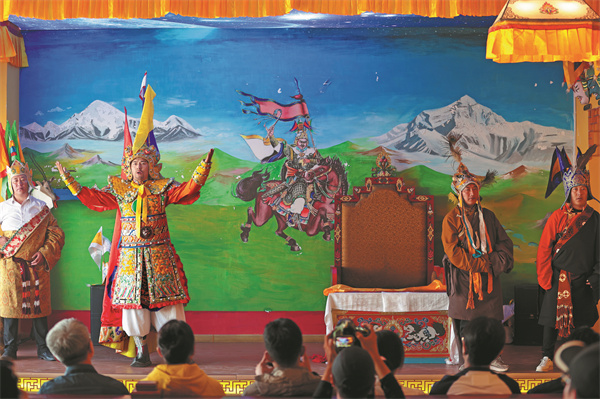
Tibetan Folk Literature
Introduction
Tibetan folk literature represents a rich and diverse cultural heritage that has been preserved and passed down through generations in the Xizang autonomous region. It encompasses a wide array of oral traditions, written texts, and artistic expressions that reflect the unique societal, historical, and spiritual dimensions of Tibetan life. This literature includes epic tales, folk stories, songs, proverbs, and religious texts, often intertwined with themes of morality, wisdom, and cultural identity. The preservation and study of Tibetan folk literature have gained significant attention over the years, with dedicated efforts to protect, compile, and digitalize ancient manuscripts and oral traditions. These endeavors aim to safeguard the cultural legacy of Xizang and provide valuable insights into its historical and social development.
Historical Development
Tibetan folk literature has a long and intricate history, deeply rooted in the region's cultural and religious traditions. The earliest forms of Tibetan literature can be traced back to ancient manuscripts, such as those discovered in the Mogao Grottoes in Dunhuang, dating from the 4th to 11th centuries. These manuscripts, written in Tibetan and other ethnic languages, include Buddhist scriptures, historical works, legal texts, and folk tales, reflecting the socioeconomic activities and cultural exchanges of the time.
During the reign of the Tubo kingdom (7th-9th century), the literature flourished, with significant contributions to religious, historical, and folk traditions. The Epic of King Gesar, a masterpiece of Tibetan folk literature, emerged during this period and has been preserved through oral storytelling and local singers since the 12th century. This epic, recognized as a World Intangible Cultural Heritage item by UNESCO, exemplifies the richness of Tibetan literary tradition.
In modern times, efforts to protect and study Tibetan folk literature have intensified. Surveys and restoration projects have been conducted to file and preserve ancient books and manuscripts across Xizang autonomous region. For instance, over 18,000 ancient books written in the Tibetan language have been documented as part of a decade-long survey in the Xizang autonomous region. Additionally, manuscripts taken abroad, such as those preserved in the National Library of France, have been compiled and published, providing access to valuable historical and cultural information.
Genres of Tibetan Folk Literature
Tibetan folk literature encompasses a variety of genres, each reflecting different aspects of Tibetan culture and society. Some of the prominent genres include:
Epic Literature
The Epic of King Gesar is the most renowned example of Tibetan epic literature. This monumental work narrates the heroic deeds of King Gesar, a legendary figure who fought against evil forces to protect his people. The epic is a blend of mythology, history, and folklore, and it has been preserved through oral traditions and performances by local storytellers.
Folk Tales and Anecdotes
Tibetan folk tales often feature characters such as Agu Dainba, a legendary folk hero known for his intelligence and humor. These stories, passed down through generations, highlight themes of justice, wisdom, and resilience. Agu Dainba's tales have been adapted into various forms, including puppet animation and cartoon series, to reach wider audiences.
Religious Literature
Buddhist scriptures form a significant part of Tibetan folk literature, encompassing teachings, prayers, and philosophical texts. These writings reflect the profound influence of Buddhism on Tibetan culture and provide insights into the spiritual practices and beliefs of the region.
Proverbs and Songs
Proverbs and songs are integral to Tibetan oral traditions, serving as a means of conveying wisdom, cultural values, and communal identity. These expressions often accompany rituals, festivals, and daily activities, enriching the social and cultural fabric of Tibetan life.
Historical and Legal Texts
Ancient Tibetan manuscripts also include historical records, contracts, and legal texts, offering valuable information about the governance, economy, and societal norms of the region. These documents provide a glimpse into the administrative and legal systems of ancient Tibetan societies.
Themes and Symbolism
Tibetan folk literature is characterized by its rich thematic diversity and symbolic depth. Common themes include the struggle between good and evil, the pursuit of justice, the importance of wisdom and knowledge, and the celebration of cultural identity. Symbolism plays a crucial role in conveying these themes, with elements such as mountains, rivers, and mythical creatures often representing spiritual and cultural concepts.
Religious themes are particularly prominent, reflecting the influence of Buddhism on Tibetan literature. Stories and texts often explore the principles of karma, compassion, and enlightenment, emphasizing the moral and ethical dimensions of life. Additionally, themes of resilience and adaptation are evident in folk tales and songs, showcasing the ability of Tibetan communities to thrive in challenging environments.
Influence on Tibetan Culture
Tibetan folk literature has had a profound impact on the cultural identity and heritage of the Tibetan people. It serves as a repository of collective memory, preserving the traditions, values, and beliefs of the region. Through storytelling, performances, and written texts, Tibetan folk literature fosters a sense of community and continuity, connecting generations and reinforcing cultural pride.
The preservation and promotion of Tibetan folk literature have also contributed to the global appreciation of Tibetan culture. Efforts to compile, digitalize, and publish ancient manuscripts have made this literary heritage accessible to scholars and enthusiasts worldwide. Initiatives such as the census on intangible cultural heritage and the development of databases for ancient Tibetan literature highlight the importance of safeguarding this cultural treasure for future generations.
In conclusion, Tibetan folk literature is a testament to the richness and resilience of Tibetan culture. Its diverse genres, profound themes, and enduring influence reflect the unique identity of the Tibetan people and their contributions to the world's cultural heritage.








